My legs feel sore after practicing Ba Duan Jin—is my posture incorrect?
If your legs feel significantly sore after practicing Ba Duan Jin (The Eight Brocades), you are asking a critical question. The immediate answer is complex: while some muscle fatigue is normal during effective Qigong practice, excessive or painful soreness usually indicates a key postural misalignment or energy blockage.
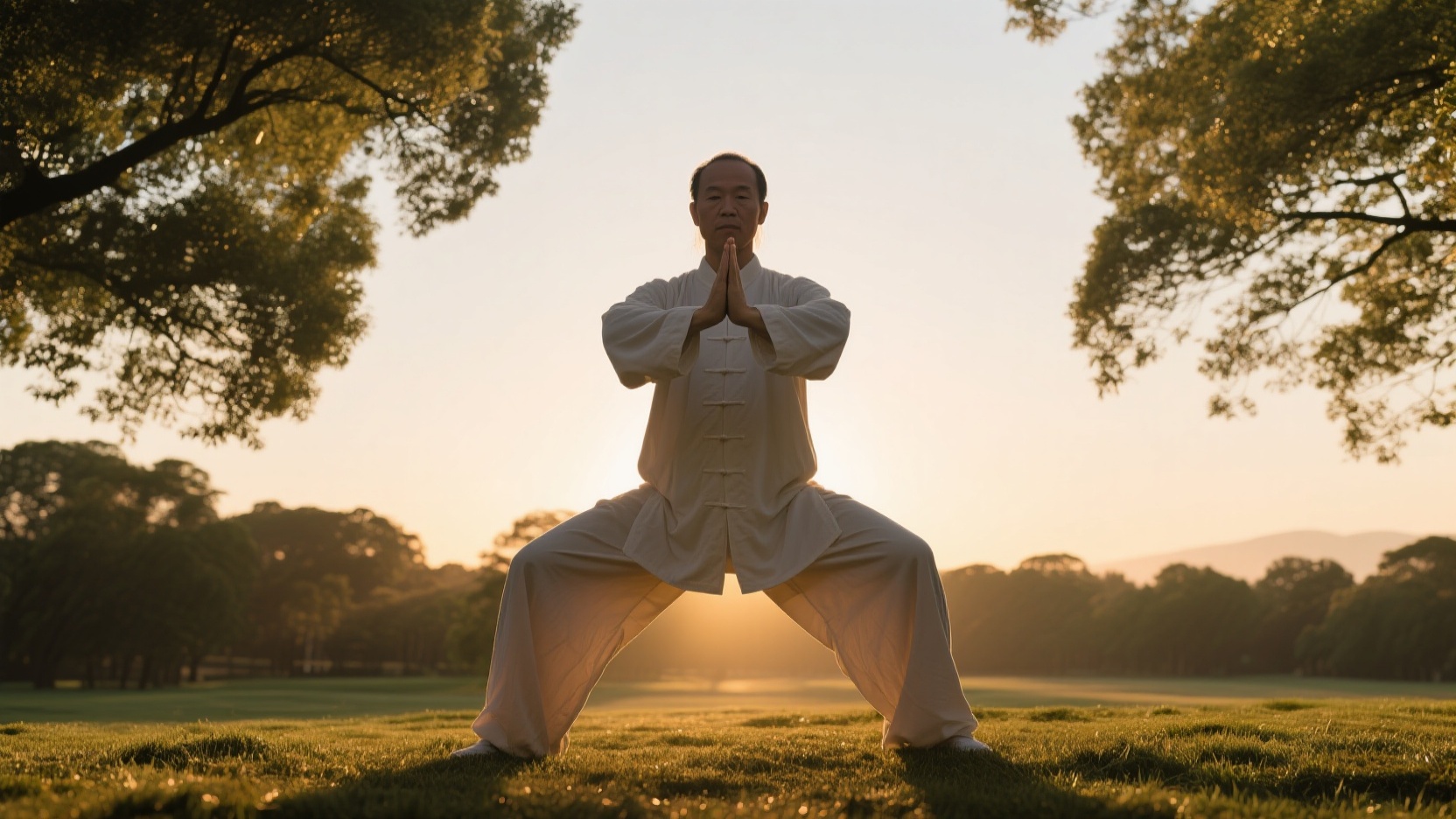
This is common for those learning fundamental Ba Duan Jin techniques without systematic guidance. We must address whether you are building foundational strength or simply straining your muscular-skeletal system. Correcting these errors is essential for transforming strenuous effort into genuine energetic cultivation.
Our goal in authentic Longevity Qigong is not exhaustion. It is harmonious alignment to facilitate the smooth flow of Qi (Vital Energy) and strengthen the Jing (Essence).
The Principle of Rooting: Balancing Stability and Flow
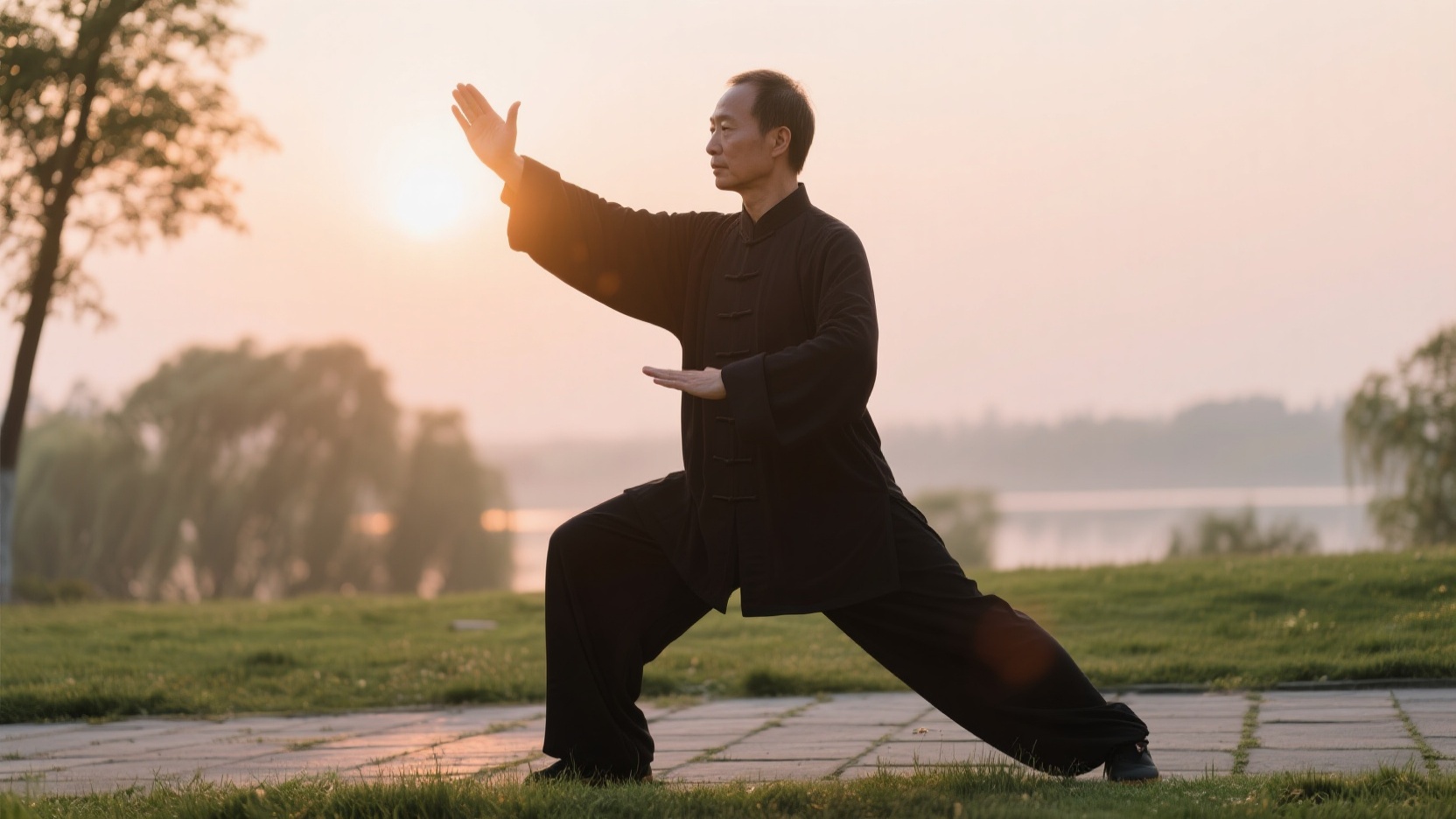
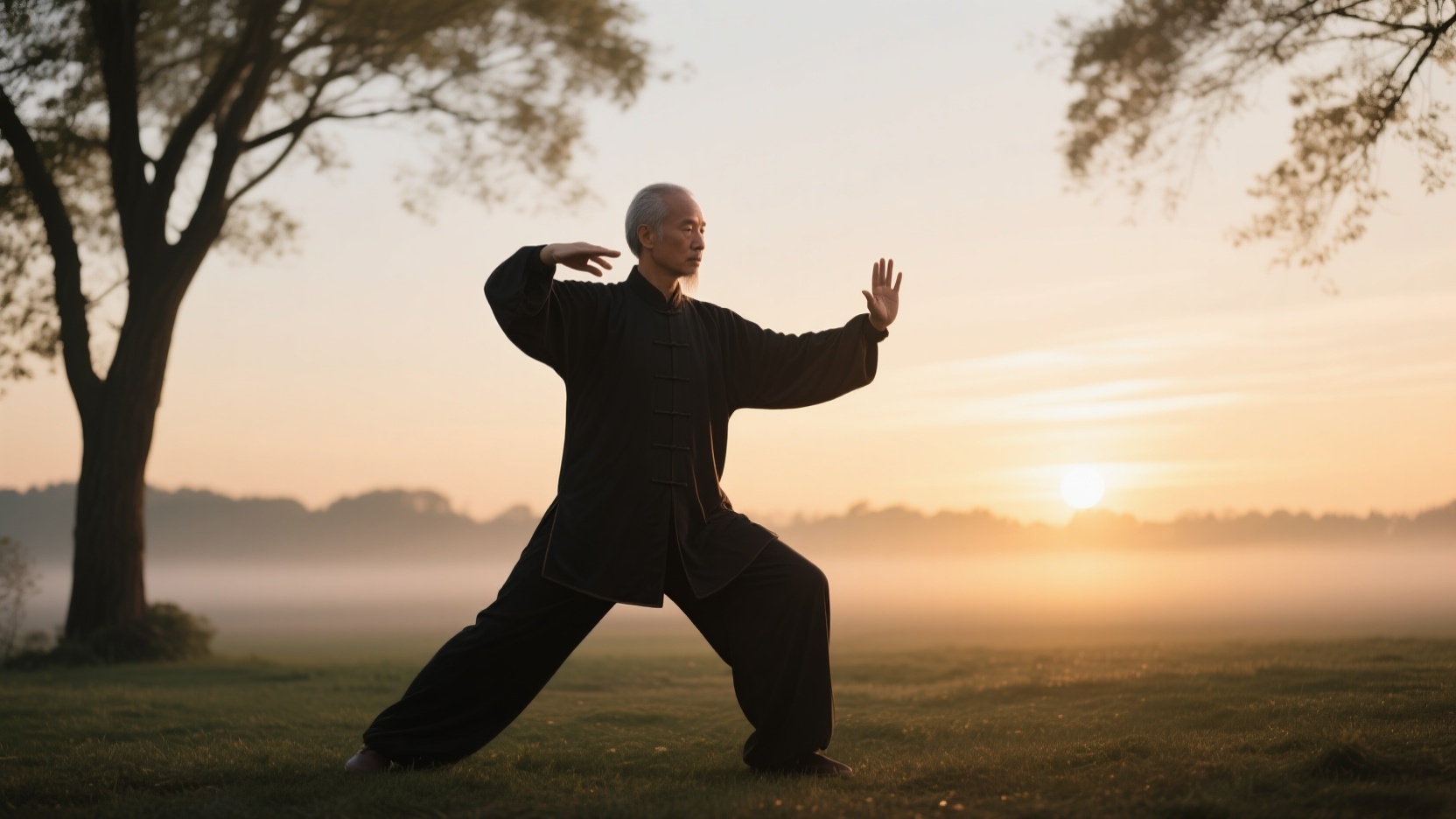
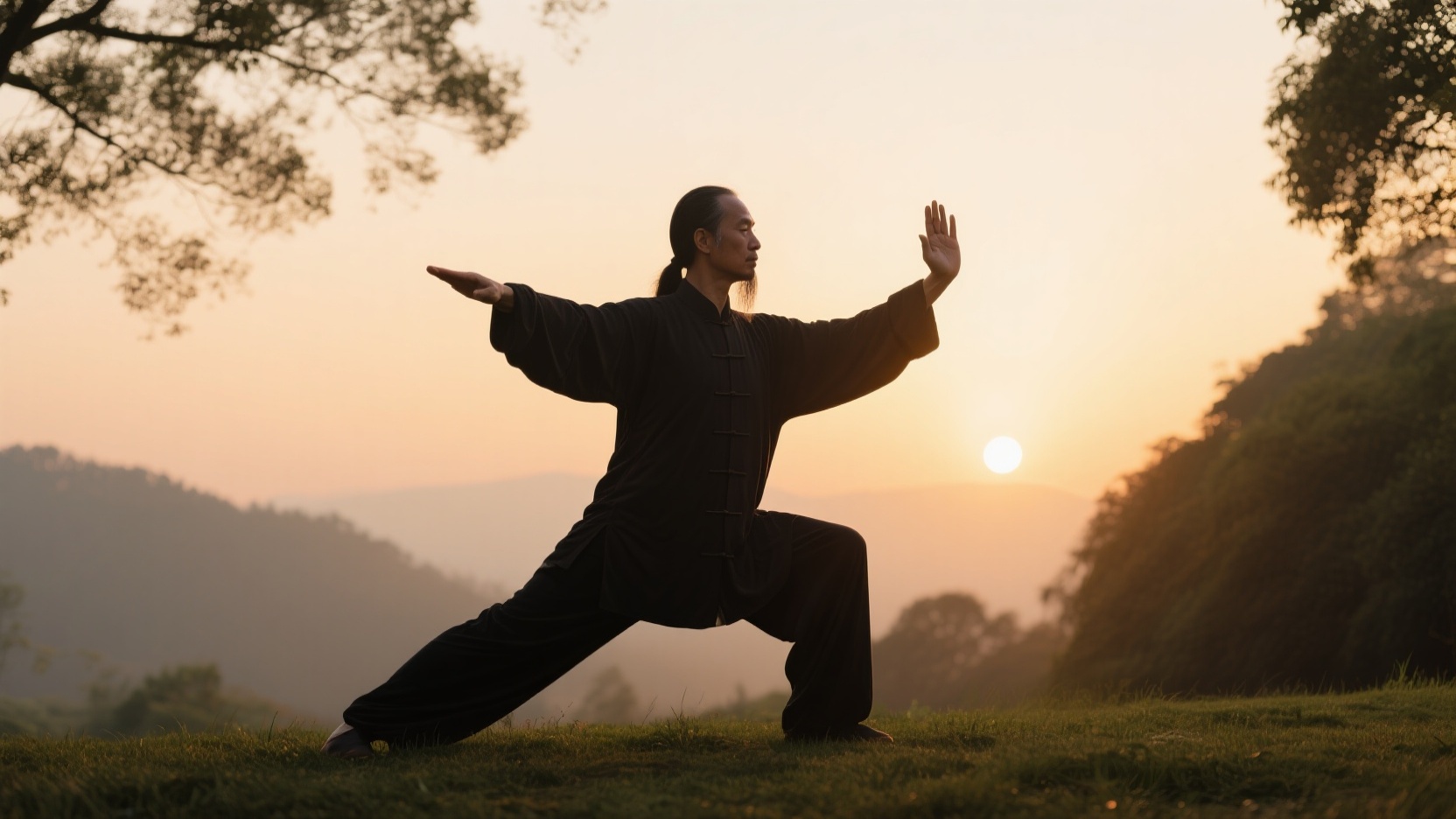
Soreness often stems from holding the stance incorrectly or for too long before the body is ready. Ba Duan Jin requires a specific, integrated posture rooted in the ground.
Understanding the Foundation: Zhan Zhuang and the Dantian
Many traditional Qigong movements begin from a variation of the Zhan Zhuang (Standing Pole) posture. This position is deceptively simple. It is designed to recruit the structural muscles of the legs, pelvis, and core.
The fatigue you feel is where physical exertion meets energetic intention. If the posture is correct, the tension should be contained primarily within the lower body structure, grounding the Qi. This allows the upper body to remain relaxed.
The lower Dantian (Elixir Field), located roughly two inches below the navel, must feel centered and stable. When the knees or hips lock up, the energetic connection to the Earth is broken. The Qi cannot descend, leading to stagnation and excessive muscular strain.
Identifying and Correcting Common Postural Errors
Excessive soreness signals that strain is being placed on the wrong muscles. If the fatigue is sharp or localized, it is almost certainly a postural error.
Error 1: The 'Chair Squat' Stance
Beginners often treat the stance like a Western fitness squat. They push the hips back and down, putting all the pressure onto the knees and quadriceps. This is too strenuous and obstructs circulation.
Correction: The knees should track directly over the second toe. The pelvis must gently tuck under (known as rounding the Kua or groin). This recruits the core and allows the bones to support the weight, saving muscular energy.
Error 2: Locking the Knees and Over-Straightening
If you stand too straight and lock your knees completely, you interrupt the flow of Qi through the leg meridians. This creates stiffness, not strength.
Correction: Maintain a slight bend in the knee joint at all times. Imagine your joints are lubricated and springy. The knees should feel relaxed and ready to move, even when standing still.
Error 3: Incorrect Weight Distribution
Are you rocking forward onto the balls of your feet or leaning back onto the heels? Optimal Qigong practice requires the weight to be evenly distributed. Sometimes the weight should feel slightly biased toward the bubbling spring points (Yongquan) under the sole.
Correction: Practice shifting your weight slowly. Ensure that both feet feel equally rooted and grounded. This balance is fundamental to mastering complex Ba Duan Jin techniques.
Systematic instruction is vital to avoid common self-taught mistakes that lead to pain and blockages. If you worry about foundational errors compromising your health, seek professional, detailed guidance.
Discover the precise alignment principles required for true inner strength and energetic flow by enrolling in our expert-led course: Vajra Longevity Qigong.
Integrating Qigong Breathing and Intent for Painless Practice
Once your structure is aligned, the soreness should diminish quickly. The final step is to coordinate movement with your breath and mind.
The Role of Qigong Breathing
The specific way you perform Qigong breathing directly impacts muscle tension. Tension held in the chest or shoulders will pull the body out of alignment, causing strain in the lower body.
Breathe slowly, deeply, and gently into the Dantian. This process should be soft, not forced. When movements are coordinated with the breath, the Qi moves easily through the body, removing stagnant energy that causes fatigue.
Moving Beyond Ba Duan Jin: Longevity Qigong Goals
While Ba Duan Jin is a remarkable foundation, mastering the art of energy circulation is the ultimate goal of Longevity Qigong. Compare the static, foundational strength built in Ba Duan Jin to the dynamic movements and targeted organ work found in other systems, such as the Wu Qin Xi benefits (Five Animal Play).
Ba Duan Jin prepares the frame. Systems like Wu Qin Xi mobilize and circulate the energy, aligning the flow with the Ziwu Liu Zhu (Meridian Tidal Flow). If you skip the proper foundation, the dynamic movements will only exacerbate existing strain.
Focus on reducing the exertion (the Li) and increasing the energetic awareness (the Yi or intention). When you relax into the posture, your legs will build resilient, elastic strength, rather than rigid, straining muscle mass.
Conclusion: Moving from Strain to Sustained Vitality
Leg soreness in Ba Duan Jin practice is a signal, not a failure. It demands careful attention to posture, rooting, and breath integration. By refining your stance and softening your Qi flow, you transform temporary muscular strain into sustained Shen (Spirit) cultivation.
Stop risking injury or wasting time practicing Qigong incorrectly. Our master-level training provides the detailed, movement-by-movement precision necessary to secure your foundation, eliminate pain, and accelerate your path toward true health and vitality. Invest in guidance that ensures every repetition of your practice builds genuine energetic mastery.