Which is more effective for improving body flexibility: Wu Qin Xi or Tai Chi?
This is a highly common query among students exploring traditional Chinese movement arts. Determining whether Wu Qin Xi (The Five Animal Frolics) or Tai Chi (Taijiquan) is more effective for flexibility depends entirely on the practitioner's goals and commitment. While both systems promote holistic health, our deep dive into Qigong practice reveals that Wu Qin Xi typically offers quicker, more targeted gains in dynamic range of motion due to its specific anatomical focus. The primary objective of Tai Chi is balanced internal cultivation and martial application, whereas the core intent of Wu Qin Xi benefits is physical vitality and organic emulation of nature, leading to profound structural opening. We will compare their methodologies, including the crucial element of proper Qigong breathing, to help you choose the ideal Longevity Qigong path.
Understanding the Foundational Differences in Qigong Practice
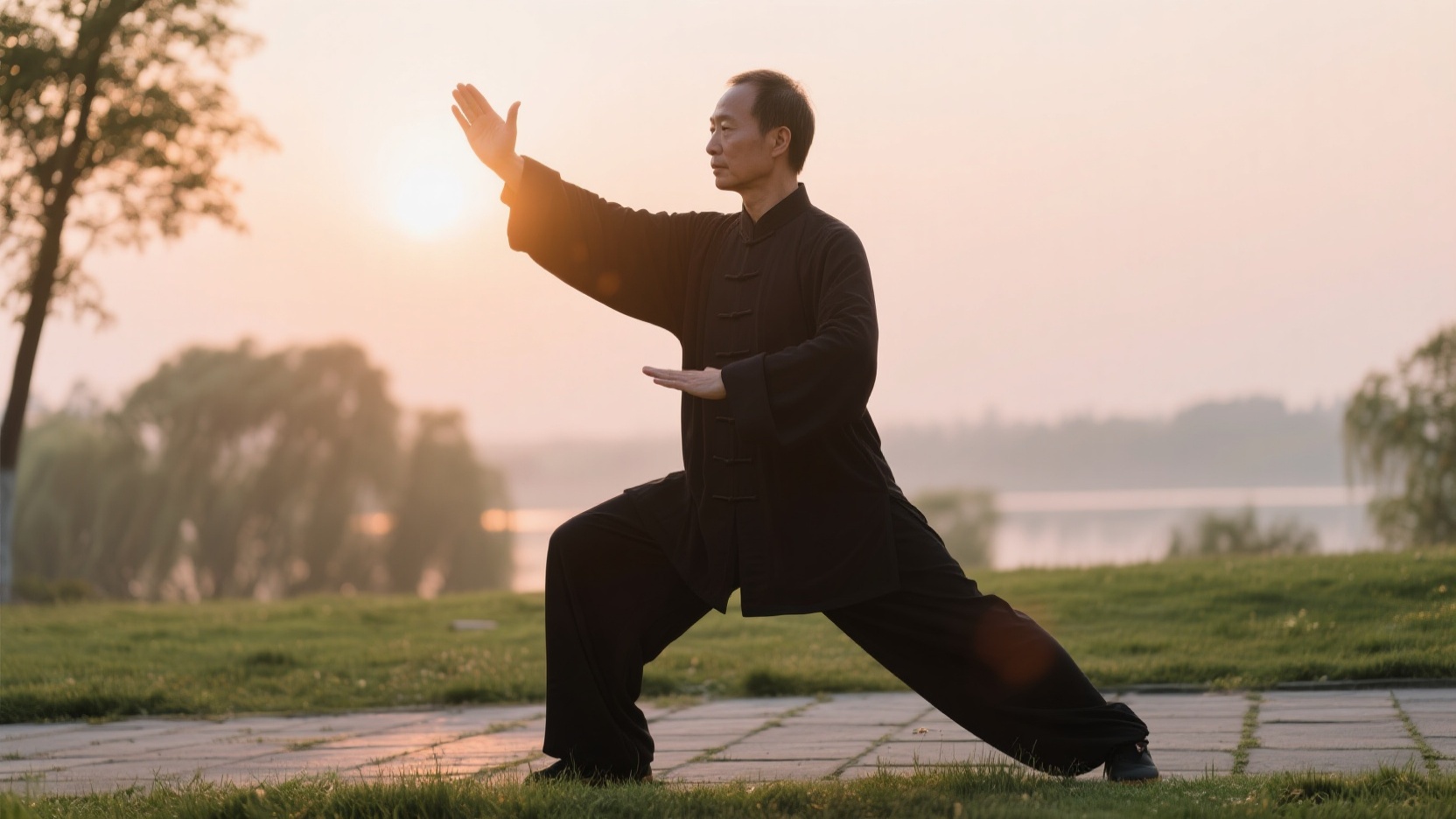
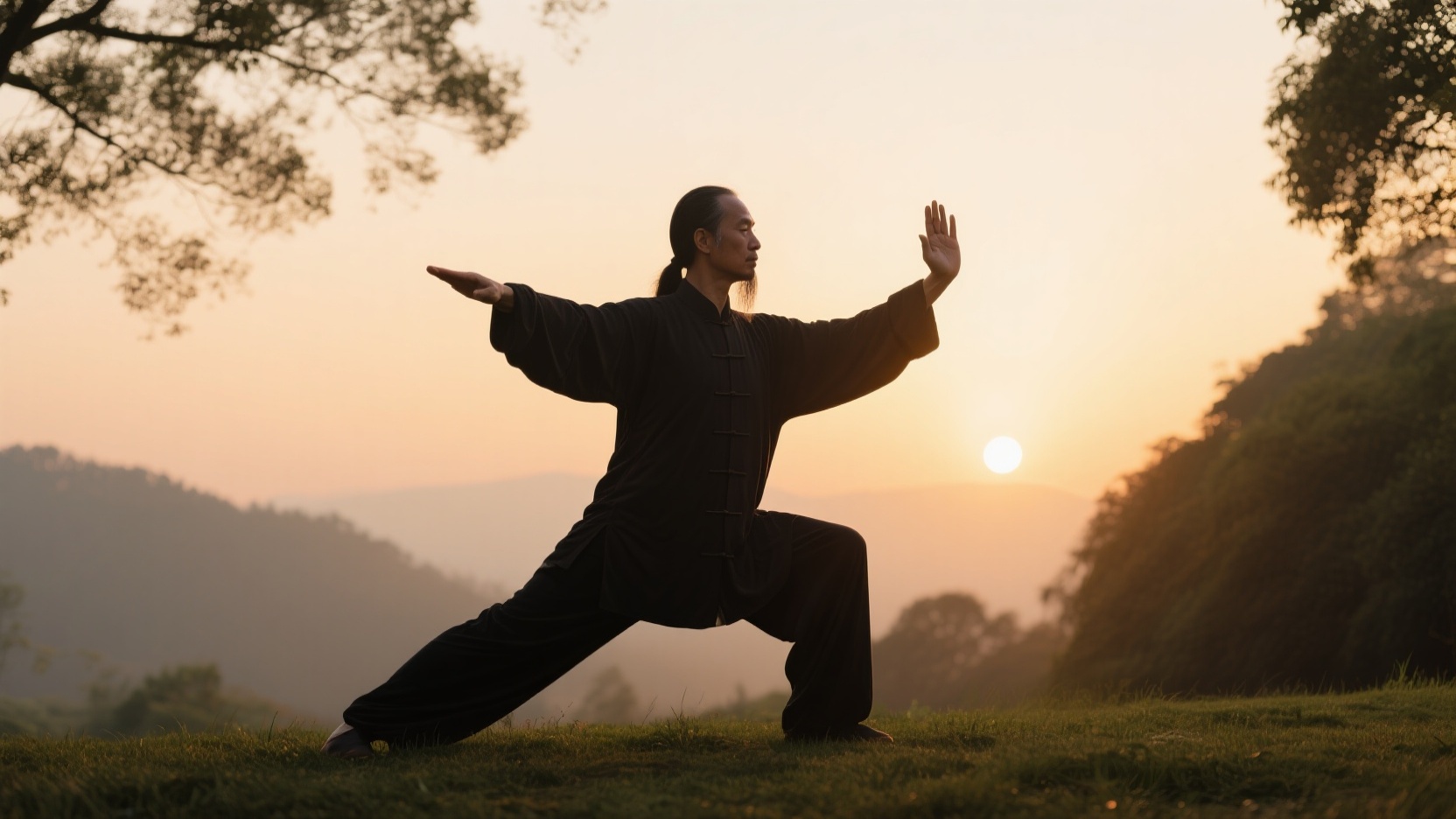
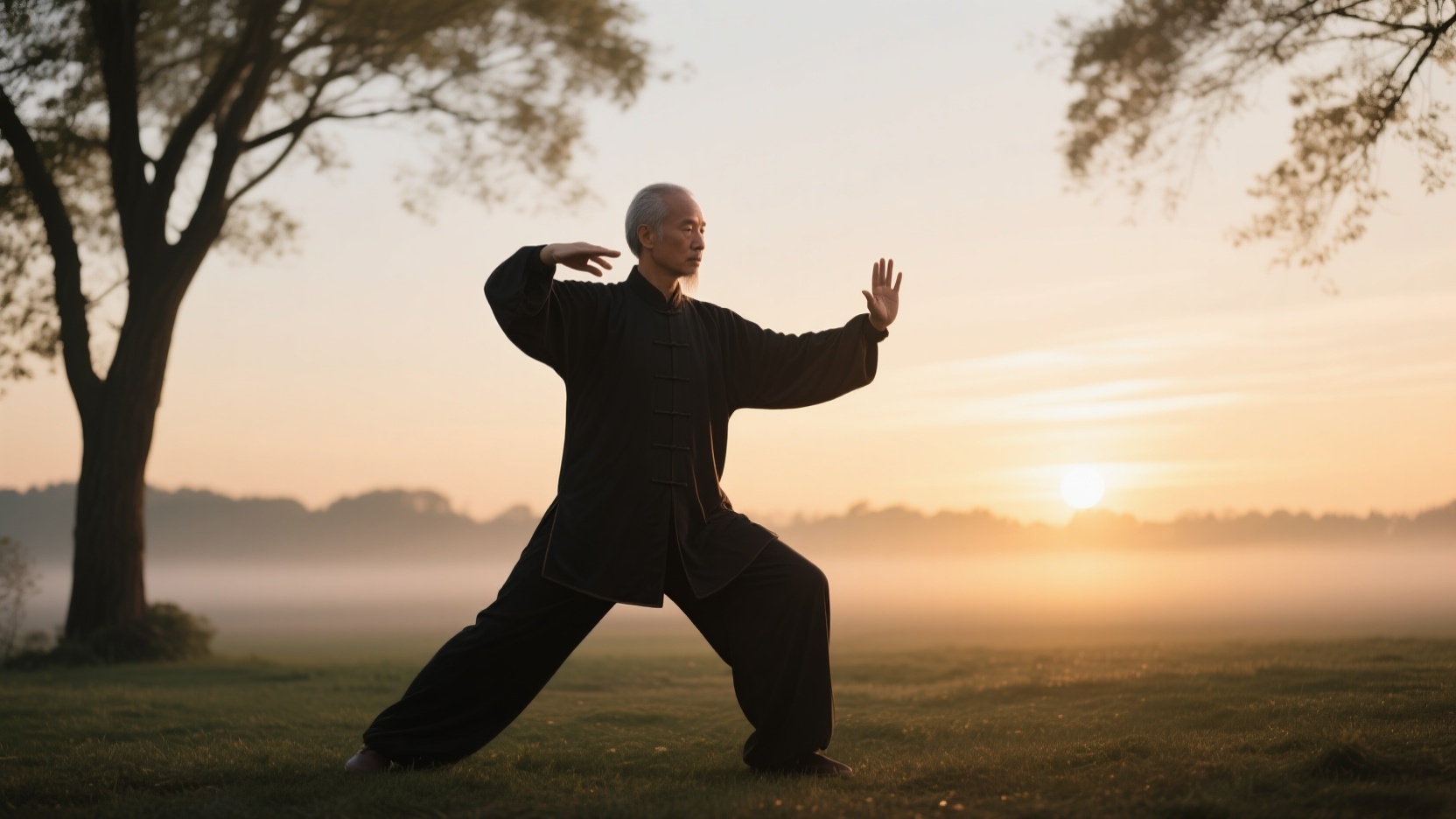
Both Wu Qin Xi and Tai Chi are forms of internal cultivation that rely on guiding internal energy (Qi) through mindful movement. However, their approaches to physical conditioning diverge significantly. Tai Chi is characterized by continuous, flowing, circular movements performed in a low stance. This emphasis strengthens the legs and develops fascia elasticity (Song) throughout the body, improving flexibility indirectly through whole-body coordination. It requires integrating physical form (Jing), energy (Qi), and spirit (Shen) simultaneously.
The Targeted Flexibility of Wu Qin Xi Benefits
Wu Qin Xi, credited to the ancient physician Hua Tuo, is a potent Qigong practice designed specifically to mimic the movements of the Tiger, Deer, Bear, Monkey, and Bird. Each animal frolic targets a specific set of meridians and muscular groups. They focus on stretching, twisting, and rotating the torso and limbs through their maximum natural range. For instance, the Bird Frolic intensely opens the chest and shoulders. This directly addresses common inflexibility in the upper back. This highly focused, repetitive stretching makes Wu Qin Xi arguably faster for achieving tangible improvements in dynamic flexibility and joint lubrication.
Tai Chi’s Approach vs. Specialized Longevity Qigong Techniques
When comparing Tai Chi to specialized Qigong forms like Wu Qin Xi or even Ba Duan Jin techniques (The Eight Brocades), Tai Chi’s primary focus is often less about achieving extreme range of motion and more about achieving energetic harmony. It balances the Yin and Yang energies of the body. It cultivates power within softness. While the deep postures inherent in Tai Chi improve lower body flexibility over time, the progression is slower and more generalized.
Wu Qin Xi, in contrast, forces a deeper engagement with the structural mechanics required for functional flexibility. By incorporating sharp, dynamic movements (like the Tiger's pawing) alongside deep stretches (like the Deer's gaze), it provides a comprehensive system for maintaining the body's natural youthful elasticity. Mastery of these movements requires precise focus on the Dantian (Elixir Field) and disciplined Qigong breathing to coordinate breath and movement.
If you are seeking a clear, step-by-step system for activating core longevity pathways and moving beyond generalized stretching, self-teaching is often inaccurate and leads to missed internal benefits. Gain Master-level precision from day one by exploring structured, systematic training. Vajra Longevity Qigong
Strategic Recommendations: Integrating Movement for Optimal Results
The best practice for long-term flexibility and whole-body harmony often involves integrating elements from both disciplines. Use the targeted movements of Wu Qin Xi for immediate flexibility gains and structural opening. Then, use the slow, meditative flow of Tai Chi to solidify those gains, integrate the Qi flow, and deepen internal awareness.
Why Deepening Qigong Breathing Matters Most
Regardless of the form—be it Longevity Qigong or Tai Chi—flexibility is not just about muscle length; it is about fascia release and energetic flow. Without proper abdominal respiration (Reverse Breathing or Daoist Breathing), movement will remain superficial. The deep, regulated breath clears stagnation, allowing Jing (Essence) and Qi (Energy) to flow unimpeded. This is the ultimate secret to lasting flexibility: unlocking the internal pathways, not just stretching the external frame. The effectiveness of any Wu Qin Xi benefits system is fundamentally linked to the quality of the practitioner’s breath.
Conclusion: Choosing Your Path to Elasticity and Longevity
For individuals whose primary, immediate goal is functional flexibility and greater range of motion, Wu Qin Xi offers a more direct and arguably faster methodology than Tai Chi. It systematically targets the major joints and muscle groups vital for maintaining youthfulness. However, Tai Chi provides unparalleled benefits for balance, coordination, and deep energetic cultivation. Choosing the most effective path means aligning the practice with your specific physical goals, always remembering that the foundation of true flexibility lies in consistent Qigong practice and profound energetic alignment.
Stop relying on generalized exercises that barely scratch the surface of true energetic health. The fastest way to unlock advanced flexibility, internal power, and genuine longevity is through precise, lineage-backed instruction. Master the foundational principles and gain the ability to generate powerful internal energy flows that maximize every movement. Enroll today and transform your practice with Master-level guidance. Vajra Longevity Qigong